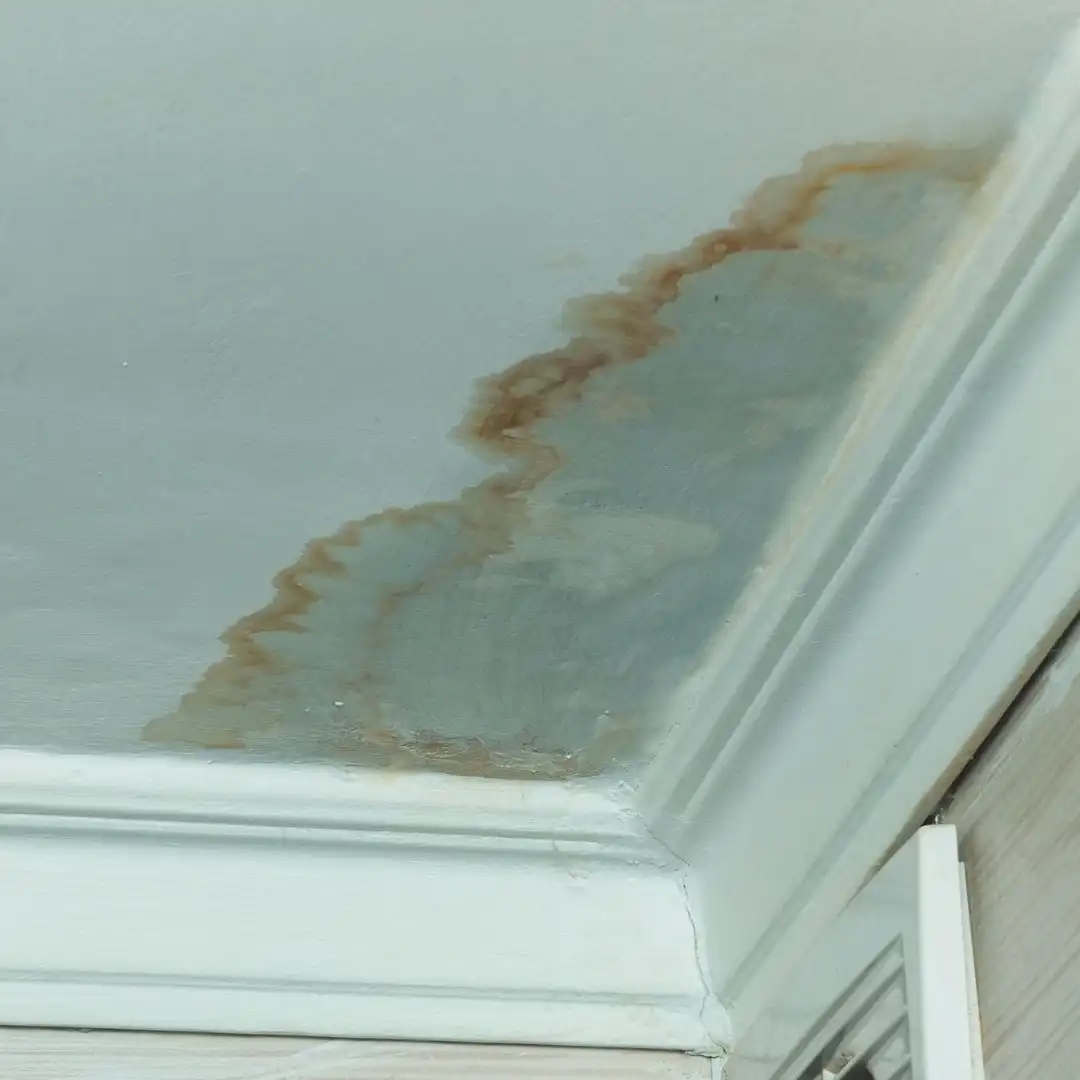
Why Slow Leaks Cost More Than Fast Floods
Most homeowners assume a burst pipe is the worst case scenario. It is dramatic, it is loud, and it leaves no doubt about what needs to happen next. A slow leak is the opposite. It hides behind cabinets, drips into wall cavities, wicks across subfloor seams, and feeds the exact conditions mold needs to colonize. The damage compounds quietly because nothing triggers an emergency response. You keep using the dishwasher. You keep showering in the upstairs bathroom. Meanwhile the OSB under your tile is delaminating, and the bottom plate of a load bearing wall is turning into sponge.
The financial math is counterintuitive. A pipe that releases fifty gallons in ten minutes creates a Category 1 loss that dries in three to five days if extraction starts quickly. A supply line that weeps a cup of water per day for four months can soak through three layers of building materials, support mold growth across thirty square feet of cavity, and require selective demolition that touches plumbing, electrical, and finish carpentry. The total invoice often runs two to four times higher, and insurance carriers frequently push back because the damage shows signs of being long term rather than sudden.
There is also a less obvious cost that does not show up on any invoice: the disruption to daily life. A burst pipe is resolved in a single concentrated push. A slow leak discovery often means weeks of contractors in and out of your home, kitchens torn down to studs while the family eats takeout, and bedrooms reshuffled while subfloor patches cure. Homeowners in Fortville regularly tell us the schedule disruption hurt more than the check they wrote, and that is before we factor in lost work hours spent meeting adjusters and coordinating trades.
The table below is the heart of this article. It compares the two scenarios across the variables that drive cost, timeline, and risk in Fortville homes. Read it slowly. The differences explain why early detection is worth real money.
Slow Leak vs Sudden Burst: Side by Side
| Factor | Slow Hidden Leak | Sudden Burst or Overflow |
|---|---|---|
| Time to discovery | 3 weeks to 8 months | Minutes to hours |
| Water category at discovery | Often Category 2 or 3 | Usually Category 1 |
| Affected materials | Framing, subfloor, insulation, drywall, cabinetry | Surface finishes, carpet, baseboards |
| Mold likelihood | High, often already present | Low if dried within 48 hours |
| Typical demolition scope | Selective, multi room | Localized, single room |
| Drying timeline | 7 to 14 days | 3 to 5 days |
| Average restoration cost | $4,800 to $18,000 | $1,800 to $7,500 |
| Insurance coverage outlook | Often disputed or denied | Usually covered |
| Detection method required | Thermal imaging, moisture meters | Visual, obvious |
| Health risk profile | Mold spores, bacterial growth | Low if addressed fast |
The insurance row deserves the most attention. Standard homeowner policies cover sudden and accidental water damage. They do not cover gradual damage that develops over weeks or months, which is the legal definition most slow leaks fall under. Adjusters look for tide lines, rust staining, swollen wood grain, and active mold as evidence the loss was not sudden. If those markers are present, the claim gets reduced or denied, and you absorb the cost. This is one of the most common surprises we walk homeowners through, and you can read more in our breakdown of what homeowners insurance actually covers for water damage.
The materials row is equally telling. A sudden burst typically ruins finish materials that are designed to be replaced: carpet, pad, baseboard, the bottom four inches of drywall. A slow leak gets into the building's skeleton. Once subfloor swells, it does not return to spec after drying, and the flooring above it will telegraph every soft spot for the rest of its life. Once a wall plate rots, a framer has to sister or replace it, which means pulling siding or stripping interior finishes far beyond the original wet zone. These are the hidden multipliers behind the cost ranges in the table.
What the Comparison Means for Your Next Move
The implications of the table point in one direction: detection beats demolition every time. The earlier you find a slow leak, the closer your situation looks to the right column instead of the left. That is why we invest in thermal imaging and pinless moisture meters on every assessment, and why our early detection guide emphasizes the small cues most people ignore. A two degree cold spot on a wall, a slightly elevated reading at a baseboard, a faint staining pattern under a window sill, these are the indicators that separate a manageable repair from a structural project.
The chart below gives you a sense of how detection timing maps directly onto restoration cost in Fortville homes. The numbers are pulled from typical jobs in our service area.
Notice how the cost curve steepens dramatically after the one month mark. That inflection point is where mold establishes, framing begins to lose structural integrity, and selective demolition stops being optional. The curve also reflects how the scope of trades involved expands. A week one repair is usually a single restoration crew. A six month repair pulls in plumbers, framers, drywallers, painters, flooring installers, and often a cabinet shop, each scheduled in sequence rather than parallel.
If you suspect anything is off in your home, a soft floor, a recurring smell, a stain that keeps coming back, a water bill that crept up without explanation, get a moisture reading before the curve catches up with you. Fortville Water Restoration keeps the assessment free because we would rather confirm a false alarm than meet you six months later staring at a wall that has to come down. Our water damage restoration team can be on site in most cases within 2 hours for a free assessment, and the reading itself takes less time than brewing a pot of coffee.